JUTA:
Publishers
Juta, South Africa’s oldest publishing house, needed to improve a complex ecommerce experience serving students, legal professionals, lecturers, and specialist content buyers. Although the website had already received a visual refresh, users still struggled to find the right books, journals, subscriptions, and digital products and many encountered friction when trying to complete a purchase. Mill Collective partnered with Juta as a UX/UI design specialist to redesign the ecommerce experience, improve product discovery, simplify checkout, and create a scalable design system that could support Juta’s wider digital ecosystem.
The Challenge
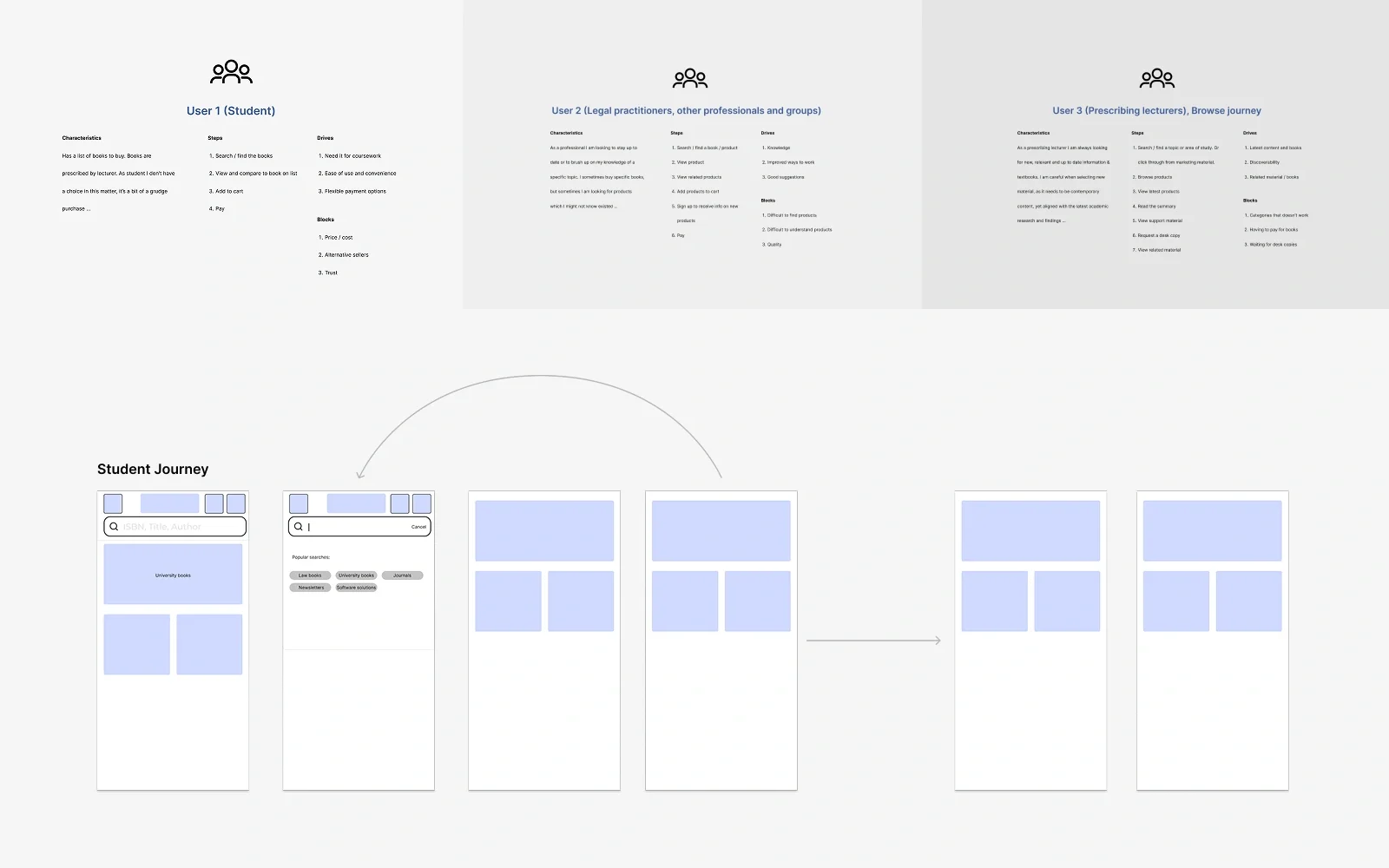
Juta’s ecommerce platform had to support a large and complex publishing catalogue across academic books, legal publications, journals, digital resources, subscriptions, and multiple product formats. The site served two very different primary user behaviours: students who often arrived with a prescribed list of books and needed to find exact titles quickly, and legal professionals who were more likely to browse, discover, and evaluate specialist content.
The existing experience made both journeys difficult. Users struggled to find products because of catalogue complexity, legacy product structures, dense information, and information architecture that had grown organically over time. Once users found what they needed, checkout friction and interaction bottlenecks made it difficult for some customers to complete their purchase online.
The challenge was not simply to make the website look more modern. Juta needed a clearer, more usable ecommerce experience that could handle real business complexity while helping customers move from intent to purchase.
Our Approach
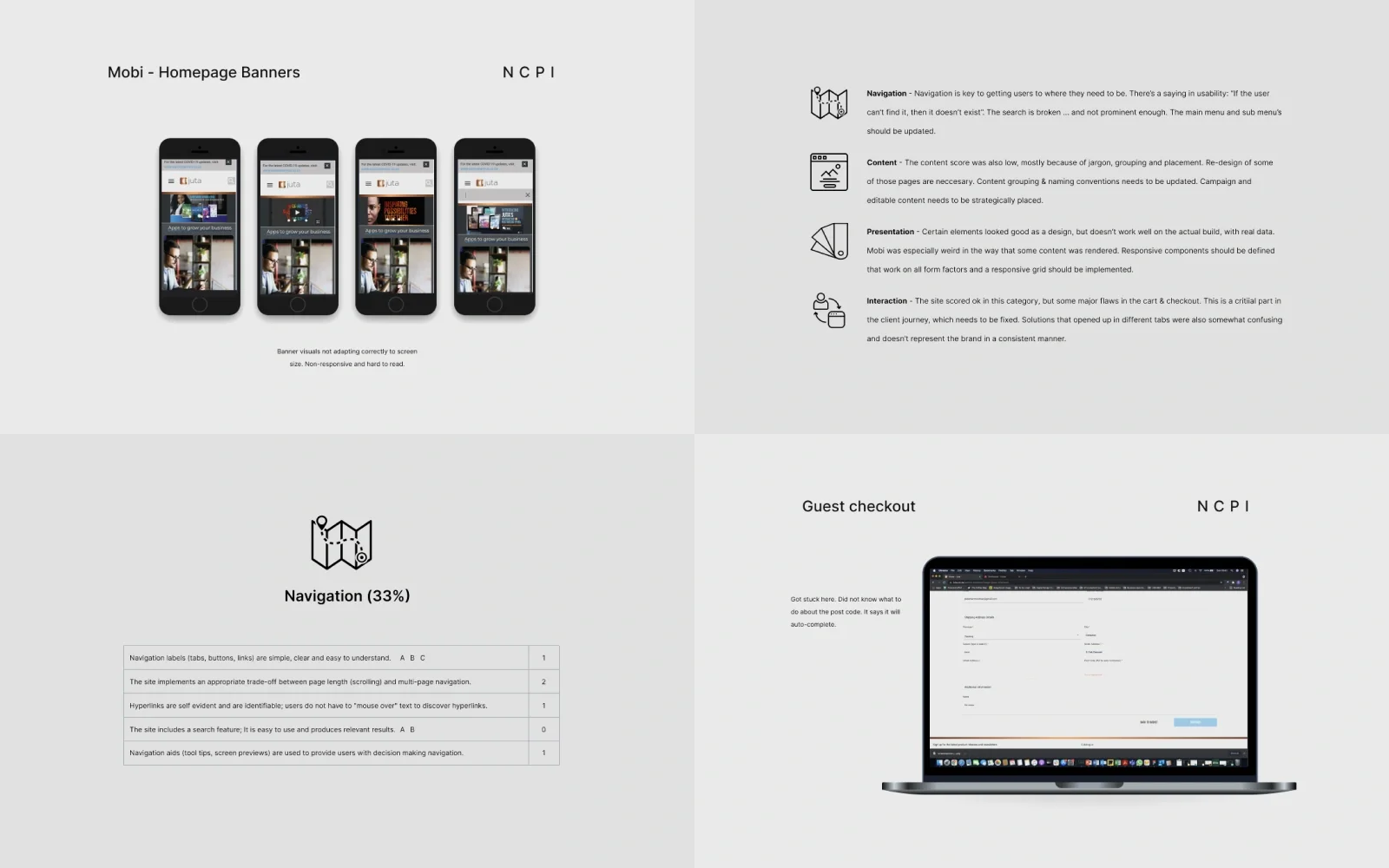
Mill Collective began with a structured discovery process, including a heuristic UX review, competitor review, stakeholder interviews, and SME interviews covering the student and legal practitioner audiences. Because of the project timeline, subject matter experts acted as a practical research proxy where direct user interviews were not possible.
The strategy was to design distinct but flexible ecommerce journeys. For students, the experience prioritised fast, search-led product discovery, supporting behaviours such as searching by title, ISBN, or prescribed reading list. For legal professionals, the site needed to support browsing, category exploration, and discovery of specialist legal resources, journals, and subscription products.
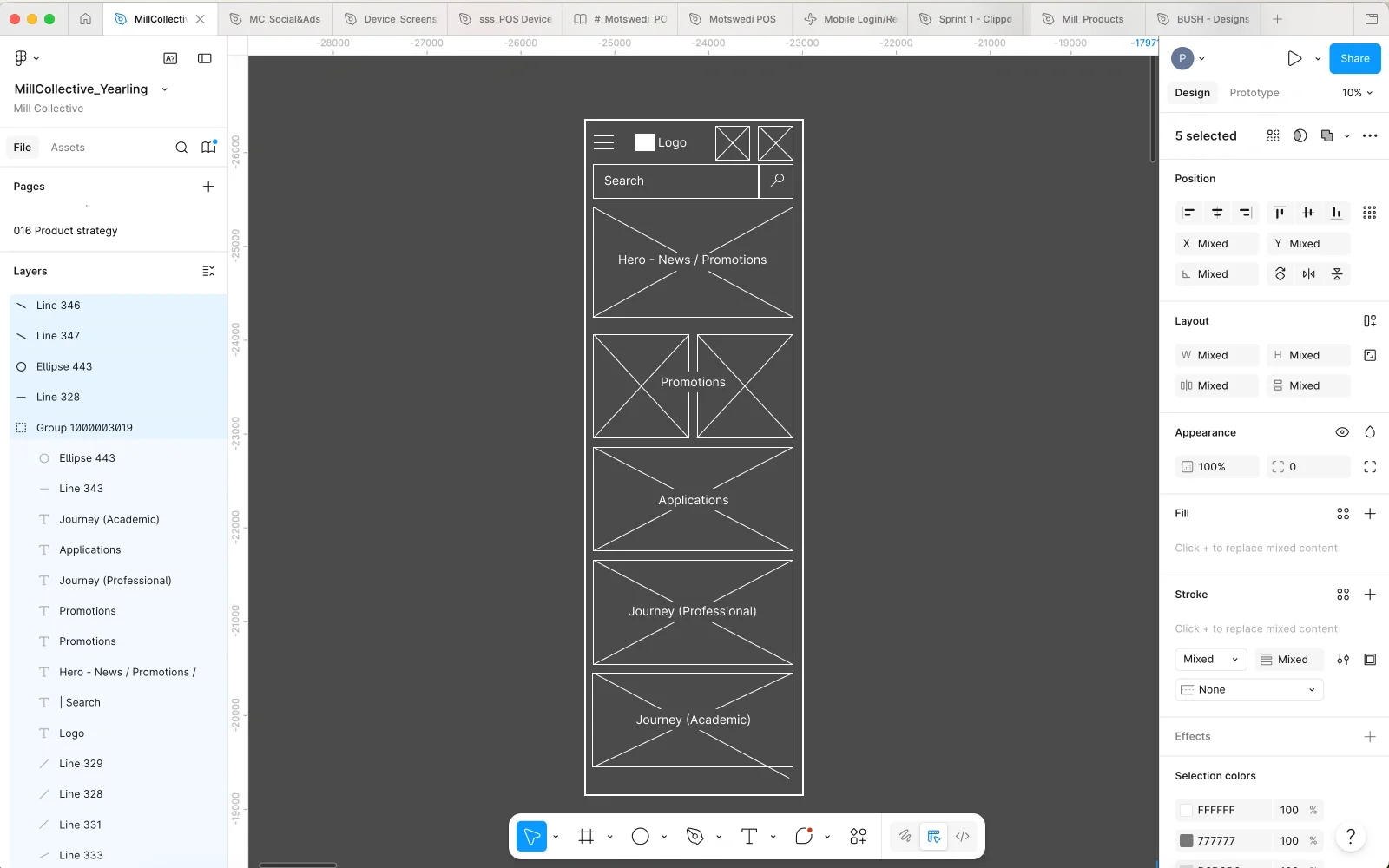
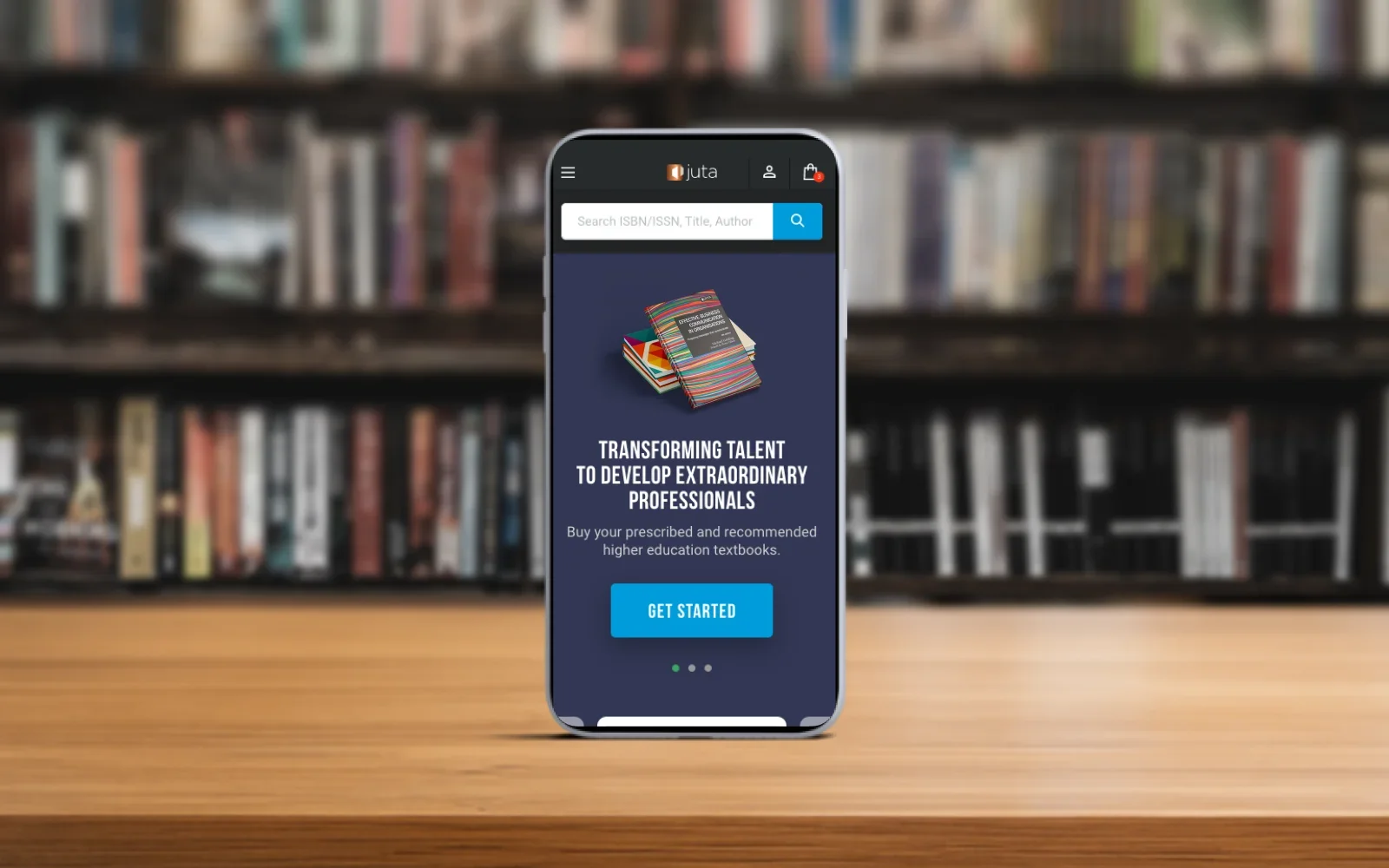
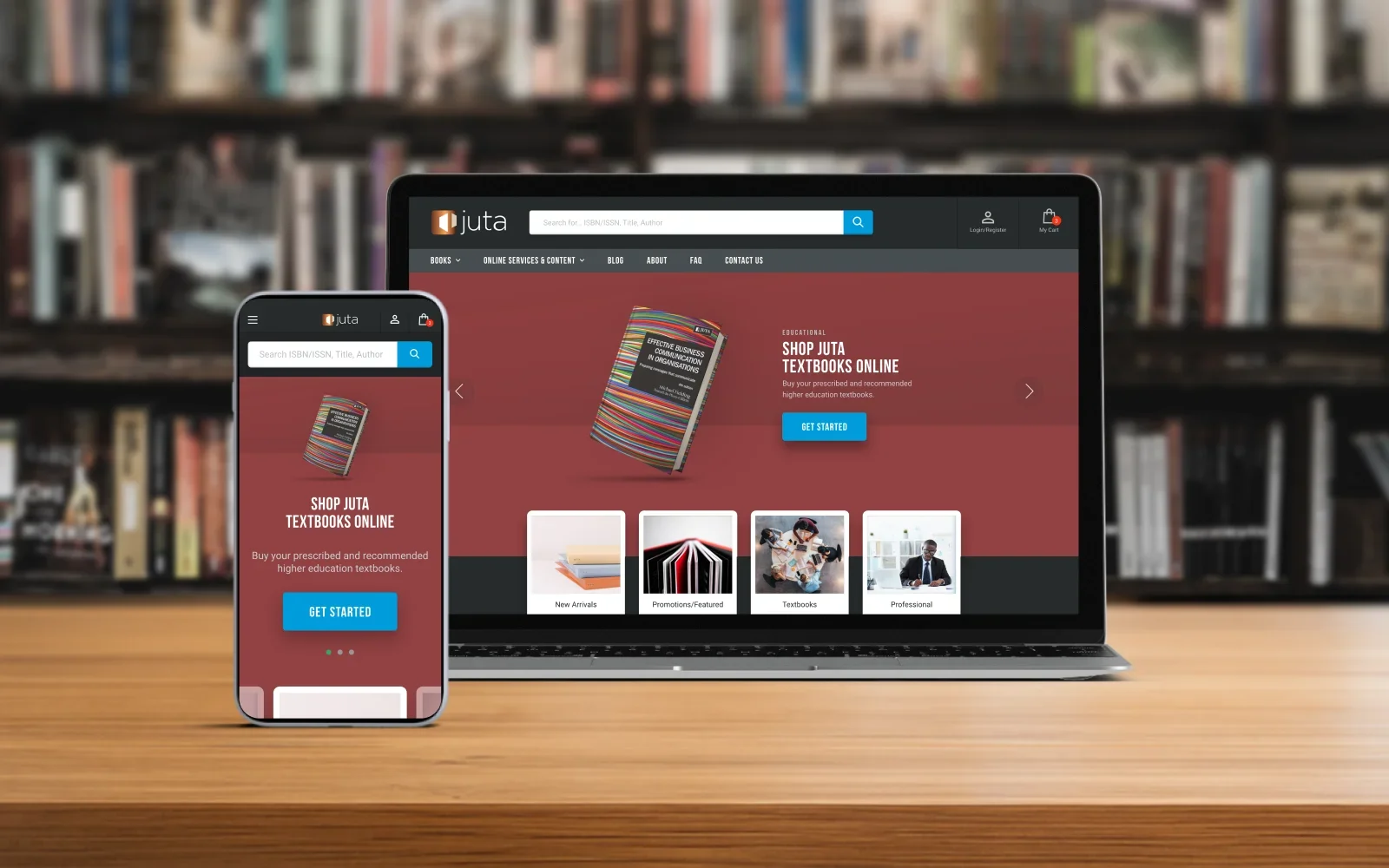
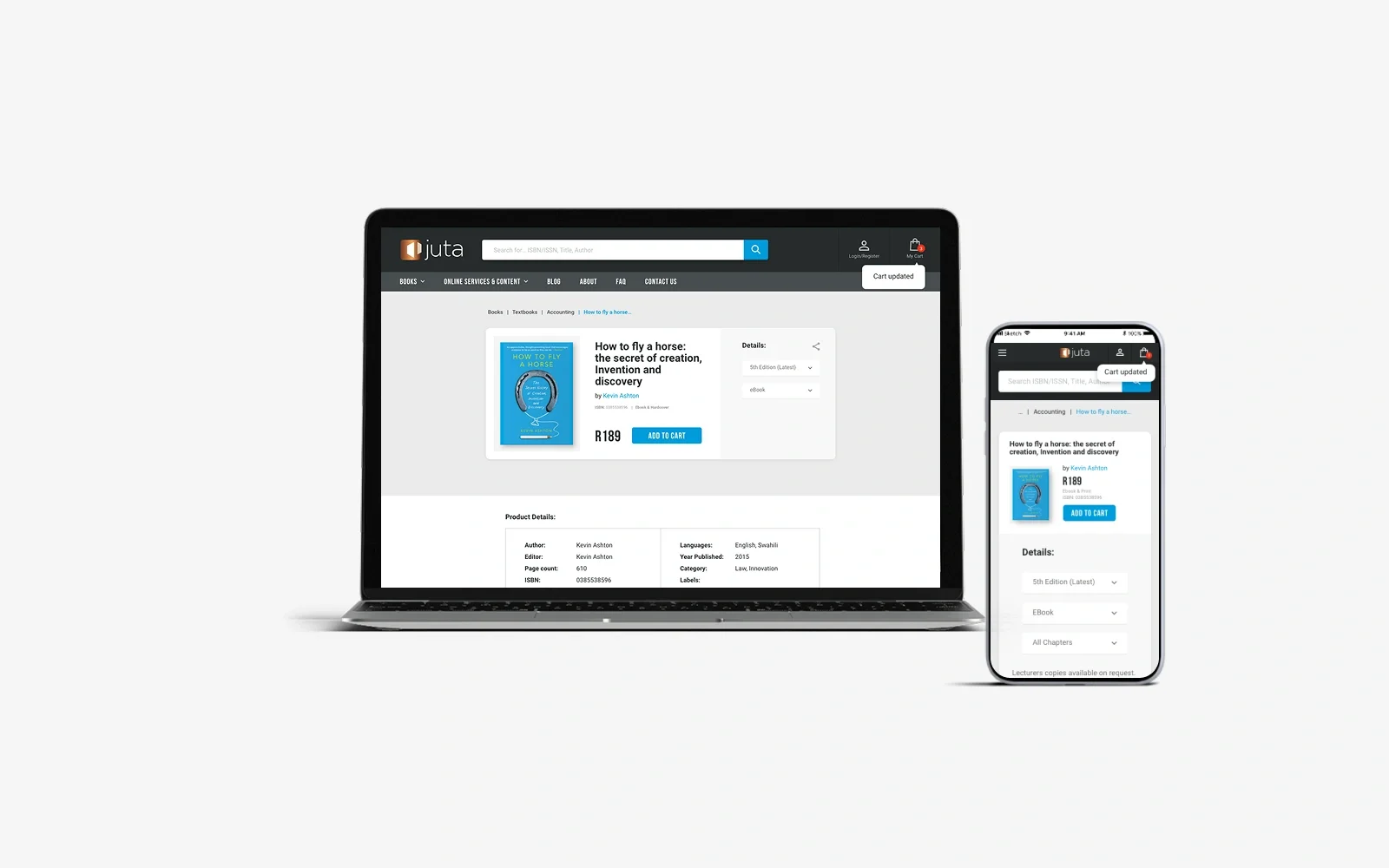
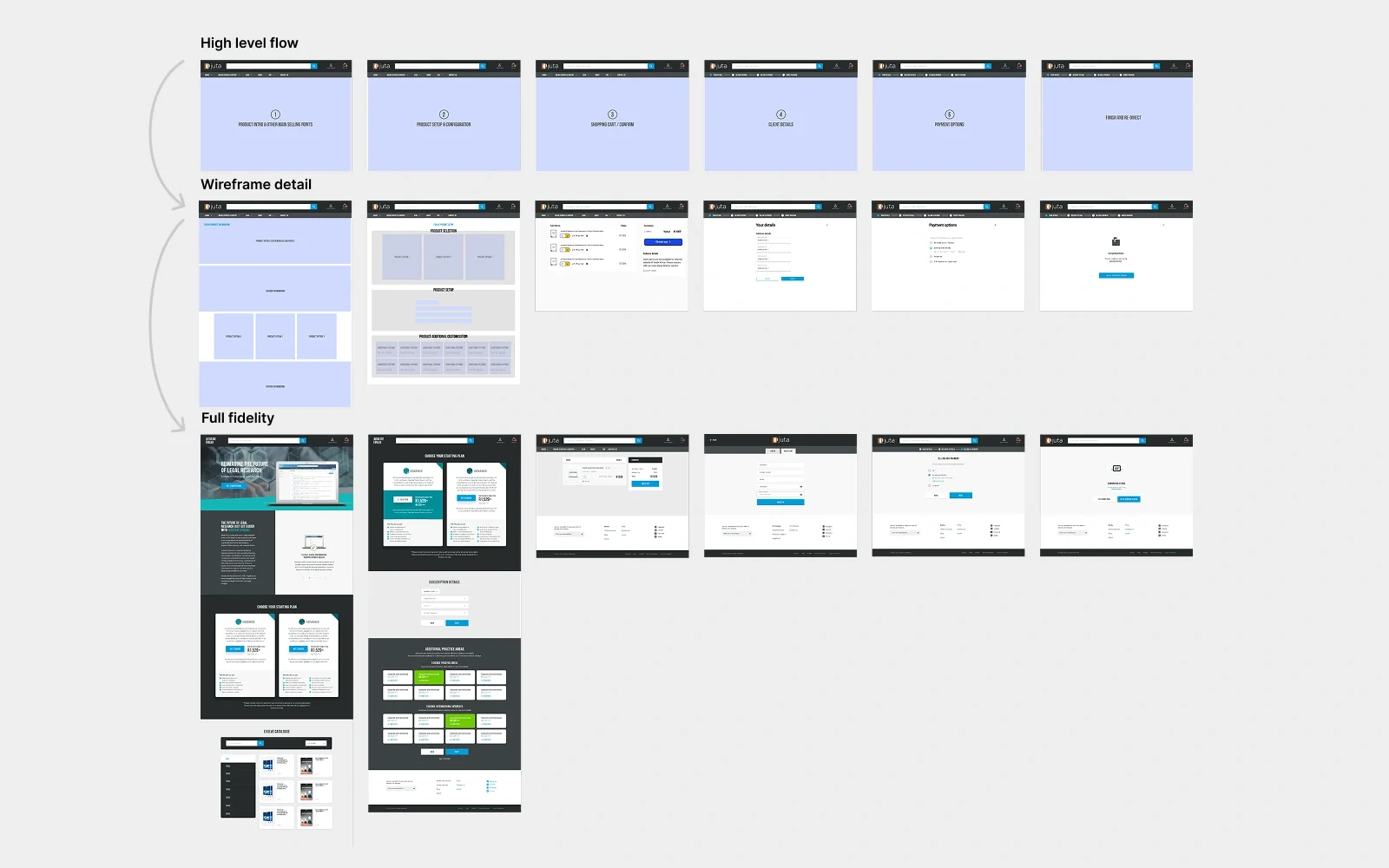
The homepage became the strategic hub of the redesigned experience. It brought together search, browsing, clearer information architecture, and dedicated routes for students and legal professionals, while still representing multiple business units across Juta’s offering. Mill Collective also redesigned product and checkout flows, including how different formats and pricing models were presented. Instead of listing separate versions of the same title as separate products, the new structure allowed users to find one product and then choose the relevant format, price, or access option.
Alongside the ecommerce redesign, Mill Collective created a reusable design system, or DSM, that was later applied across five or six additional Juta microsites and websites. This gave the organisation a more consistent and scalable digital foundation.
Outcome & Reflection
The redesigned platform gave Juta a more modern, maintainable, and effective ecommerce experience. Users had a clearer way to find specific products, especially through search-led discovery, while product pages and checkout flows were better equipped to handle multiple formats, pricing models, subscriptions, and once-off purchases.
The project also gave Juta a homepage structure that internal teams could continue to maintain, update, and use for campaigns, promotions, and featured content. The fact that the same design approach and website structure remained in use around six years later speaks to the durability and practical value of the solution.
This project reinforced an important lesson: a visual refresh alone cannot fix a structurally broken ecommerce experience. For complex digital products, strong UX/UI design needs to address the deeper layers… catalogue logic, information architecture, product discovery, checkout behaviour, stakeholder priorities, and business goals — so the full experience works, not just the interface.