
How Product and App Experiences Carry Brand Personality
Brand Strategy · Part 6 of 8 · 6 minute read
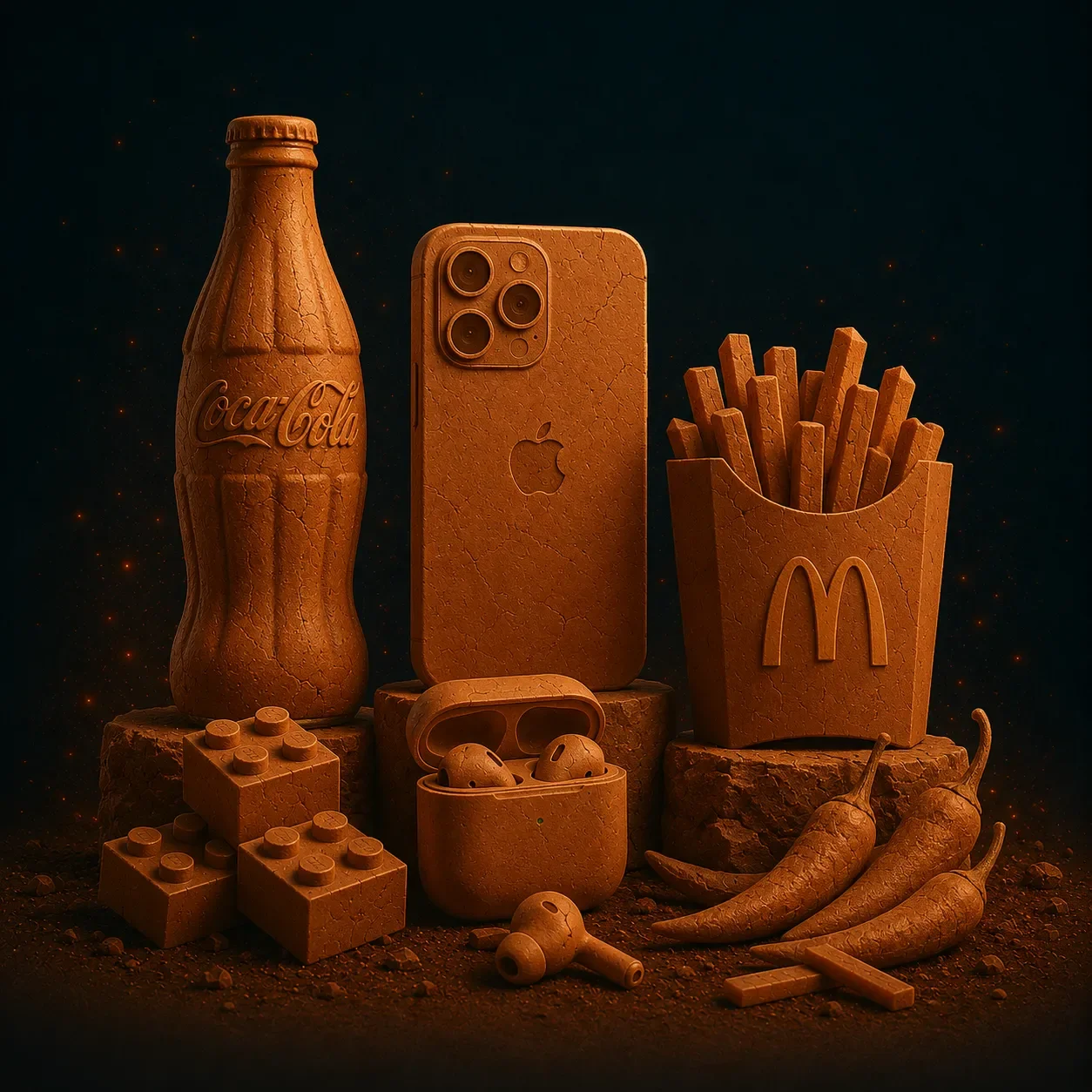
A brand personality is not only something you write, design, or post. It is something people use.
That is especially true when the brand has a physical product, a digital product, an app, a platform, a checkout flow, a subscription experience, a quote tool, a dashboard, or any other interaction where the customer has to actually do something. At that point, personality stops being a message and becomes an experience. It is no longer enough to say the brand is simple, premium, playful, useful, warm, bold, or trustworthy. The product has to prove it, because the product is where people find out whether the brand is real.
The product carries more weight than the campaign
A campaign can create expectation. A product either confirms it or breaks it.
If a brand promises simplicity but the app is confusing, the personality collapses. If a brand promises premium quality but the packaging feels cheap, the story becomes harder to believe. If a brand promises control but the user cannot manage their own account, the experience contradicts the message directly.
This came through strongly in our discussion. We had already looked at how brand personality shows up in voice, visuals, social media, and websites, but product and app experiences carry a different kind of responsibility because they are not just expressions of the brand. They are the brand in use.
That is why experience matters so much. PwC's 2025 Customer Experience Survey found that 52% of consumers had stopped using or buying from a brand because of a bad experience with its products or services, while 29% had stopped because of poor customer experience, whether online or in person. In other words, customers do not separate the brand from the experience as neatly as marketers sometimes do. The thing either works like the brand promised, or it does not.
Apple shows how personality can live in the whole ritual
Apple is probably the cleanest example of product experience carrying brand personality. The personality is well established: premium, controlled, minimal, detailed, confident, and highly considered. But what makes Apple powerful is that those traits are not only visible in the advertising. They live in the product, the packaging, the interface, the store, the onboarding, and the small details around ownership.
Even opening the box feels designed. In our dialogue, Apple's packaging came up as a kind of ritual: the clean white box, the careful arrangement, the sense of opening something closer to a present than a normal consumer product. The packaging manages to feel both practical and premium at the same time, which quietly reinforces the wider personality of the brand.
The software experience carries the same idea forward. Once people settle into the Apple ecosystem, many describe it in remarkably simple terms: it just works. That feeling is not accidental. It is the brand's personality being expressed through UX, UI, consistency, quality standards, product control, and ecosystem design, all pulling in the same direction.
The lesson is not that every brand needs to copy Apple. The lesson is that the product should feel like the brand. If the brand is premium, the experience should feel considered. If it is simple, the experience should remove friction. If it is practical, the product should be useful before it is impressive. If it is playful, the experience should allow for moments of genuine delight.
Naked Insurance proves personality through self-service
Naked Insurance is a useful South African example because the brand personality is not only in the name, the billboards, or the tone of voice. It is in the product experience itself.
The brand positions itself around simplicity, directness, ease, and a more human approach to insurance, and that only works if the app and quote process actually feel easier than what the category has trained people to expect. In our dialogue, the experience was described as unusually self-service compared with more traditional insurance interactions. You can get a quote, adjust your cover, change excess amounts, see the monthly impact in real time, cancel cover, and receive clear confirmation, all without needing to navigate the call-centre-heavy process that defines most of the category.
That matters because insurance is a space where the product can easily feel heavy, slow, and intimidating. Naked's personality would be considerably weaker if the app behaved like a traditional insurer hiding behind a funny name. The product is what makes the personality believable.
Coca-Cola shows the power and limits of product consistency
Coca-Cola is a different kind of example. The product itself is simple: a fizzy drink, usually wrapped in one of the most recognisable brands on earth. The personality is built around familiarity, nostalgia, refreshment, happiness, sharing, and above all, consistency.
In this case, the product experience is not about a complex app flow or a premium unboxing ritual. It is about repetition and reliability. A Coke should feel like a Coke almost anywhere in the world. The packaging, colour, taste, fizz, bottle shape, can, fridge presence, and the rituals around drinking it all work together to reinforce the same familiar brand world, time after time.
We also noted the tension around Coca-Cola in our discussion: the brand has built enormous emotional value around a product that sits inside broader conversations about sugar, health, alternatives, and shifting consumer expectations. The product personality still works, but it requires significant marketing investment, product-line extensions, and relentless consistency to keep the brand relevant across generations.
That is an important reminder. Product experience does not exist in a vacuum. It is shaped by culture, category pressure, health concerns, regulation, competitors, and changing expectations. A brand personality has to keep earning its place around the product.
Nando's carries personality through flavour, quality, and confidence
Nando's is most often discussed through its advertising, humour, and cultural commentary, but the personality also has to be carried by the product itself. The cheek only works if the chicken holds up.
In our dialogue, we touched on how Nando's product has its own distinct character: spice, flame-grilling, peri-peri, flavour, consistency, and a certain confidence that runs through the way the brand talks about the food. The humour often sits on top of a more serious product claim, namely that the chicken is genuinely good, the taste is distinctive, and the experience is consistent wherever you eat it.
That combination matters enormously. A cheeky brand with a weak product becomes annoying very quickly. A confident brand with an inconsistent experience starts to feel arrogant. A funny brand that does not deliver gives people an easy reason to turn the joke back on itself. The product gives the personality permission to behave the way it does.
Apps are where personality is tested quickly
Digital products and apps are especially unforgiving, because users judge them fast and leave faster.
A mobile app can look beautiful in a launch campaign, but if it is slow, confusing, unstable, intrusive, or hard to use, people will simply leave. Instabug's 2025 mobile user expectations report found that 81% of respondents said performance is an extremely or very important factor when choosing a mobile app, and 61% were unwilling to wait more than five seconds for an app to launch or process key functions before uninstalling it.
That has real brand implications, because performance is not just technical. It is emotional. A slow app makes a brand feel careless. A confusing app makes a brand feel complicated. A buggy app makes a brand feel unreliable. Conversely, a clear and well-designed app makes a brand feel competent, generous, and considered, which are exactly the kinds of qualities most brands claim to stand for in their strategy documents.
When we talk about product and app experiences carrying personality, we are not talking about decoration or surface-level polish. We are talking about how the brand behaves when the user is actually trying to get something done.
Packaging, onboarding, and micro-moments matter
A product experience is not only the main product. It includes all the moments around it.
The packaging, the first login, the onboarding flow, the setup instructions, the confirmation email, the button labels, the error messages, the receipt, the way an app asks for permission, the cancellation experience, the support journey, the way the brand handles a mistake: these moments may seem small in isolation, but they often shape how people describe the brand to others. A cancellation flow that respects the user says something. A refund process that is clear and quick says something. A box that feels genuinely thoughtful says something. A form that explains itself without requiring a support call says something. A product that works the same way every time says a great deal.
Brand personality becomes stronger when all these small moments point in the same direction, and it starts to unravel when they do not.
The product must match the promise
The biggest risk in any brand strategy is a gap between the marketed personality and the lived experience.
If the brand says it is simple, the product must feel simple. If the brand says it is premium, the materials and details must feel premium. If the brand says it is responsible, the sourcing and packaging need to support that claim. If the brand says it is playful, the experience can include genuine moments of delight. If the brand says it is trustworthy, reliability and clarity matter far more than clever copy.
This came up in our dialogue around categories like food, coffee, insurance, and technology. Some product traits are chosen as part of brand strategy. Others are expected by default: quality, responsibility, consistency, safety, and reliability. A brand does not always get extra credit for delivering on those basics, but it can lose trust very quickly if they are missing. That is the hard part. Brand personality can help a product stand out, but it cannot cover for a product that does not deliver.
Final thought
Your product or app is one of the most honest places your brand personality can show up, because people are not just reading the brand there. They are using it.
They are opening the box, tapping the button, changing the setting, getting the quote, placing the order, making the claim, drinking the product, eating the meal, logging in, cancelling, upgrading, waiting, retrying, and deciding in all those small moments whether the experience felt right. That is where personality becomes proof.
A strong brand does not only sound like itself, look like itself, or post like itself. It works like itself.
Author's note: This article reflects the opinions and interpretations of the authors, based on a conversation about brand personality and product experience. The examples discussed are used to explore how product and app experiences can carry brand personality in practice, rather than to present definitive facts about the brands mentioned.